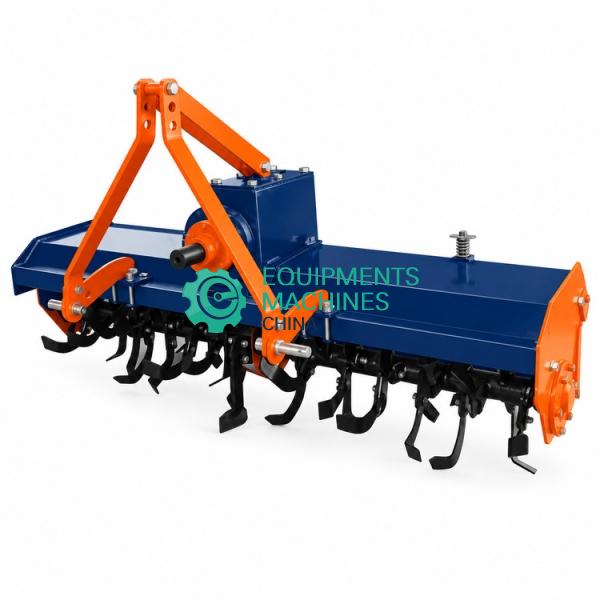
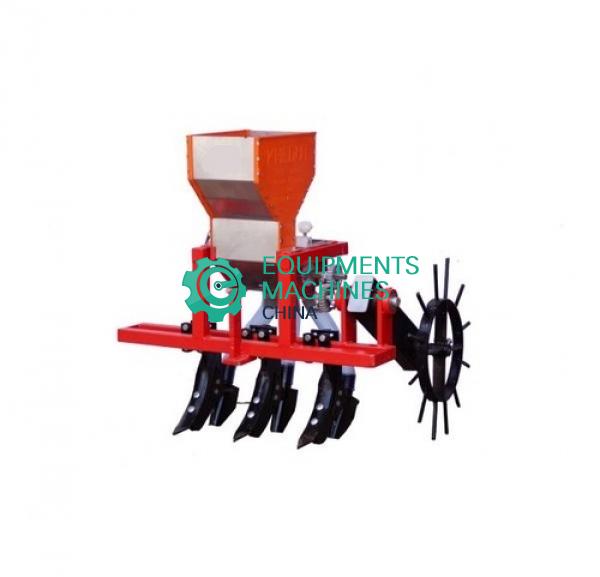
Weeding and Intercultural Equipment covers the machines that work between rows after the crop is established: power weeders and brush cutters, rotary and tine inter-row cultivators, ridgers and earthing-up attachments, and tractor-mounted and self-propelled inter-cultivators. Weed competition in the first weeks of a crop costs more yield than almost any later problem, and mechanical weeding addresses it without the chemical cost, the residue question or the resistance that repeated herbicide use brings.
Row spacing is the specification that governs everything here, since the implement has to pass between rows without damaging the crop, and an implement bought for one crop's spacing will not serve another. Working depth matters too: shallow working cuts weeds and conserves moisture, while deep working in a row crop damages roots. We specify against row spacing, crop stage and whether the power source is a tractor, a power tiller or a walking engine.
Intercultural equipment is tendered in bulk for smallholder mechanisation and for programmes aimed at reducing drudgery and herbicide dependence. Agriculture ministries, mechanisation and subsidy schemes, custom hiring centres, co-operatives and farmer producer organisations, women's farming groups, rural development agencies and projects backed by development bank and donor funding all procure it through bidding. We price on quantity against the written specification and attach technical compliance tables, origin and warranty declarations, priced spares lists and inspection arrangements.
Tell us your crops, row spacing and power source, and we will specify the equipment and quote it in the quantities you need.