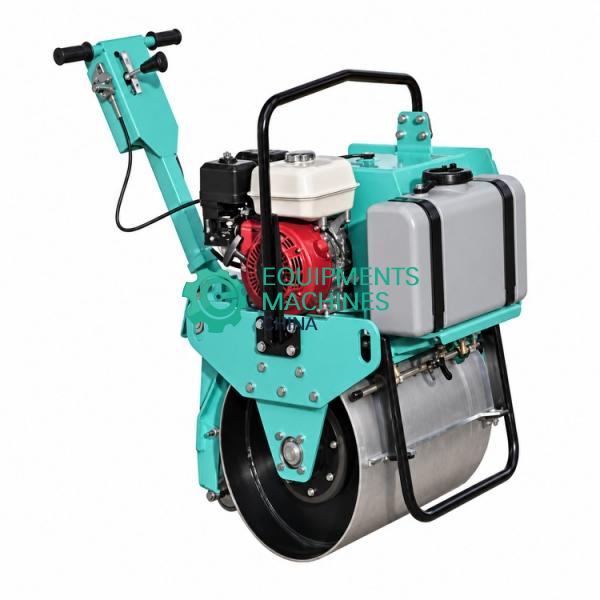
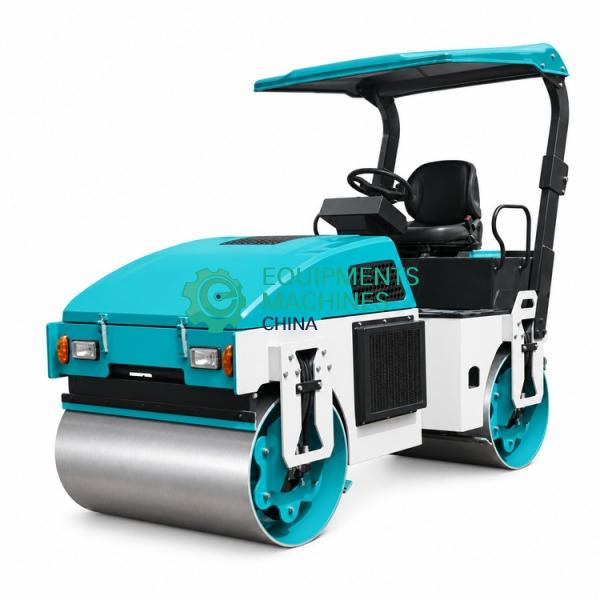
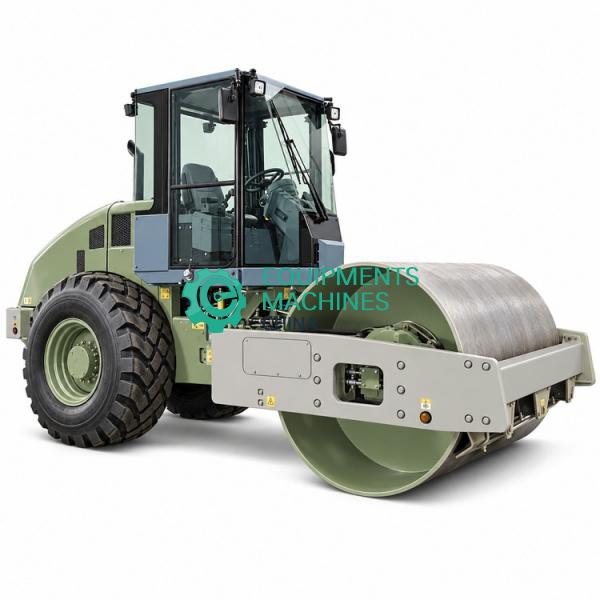
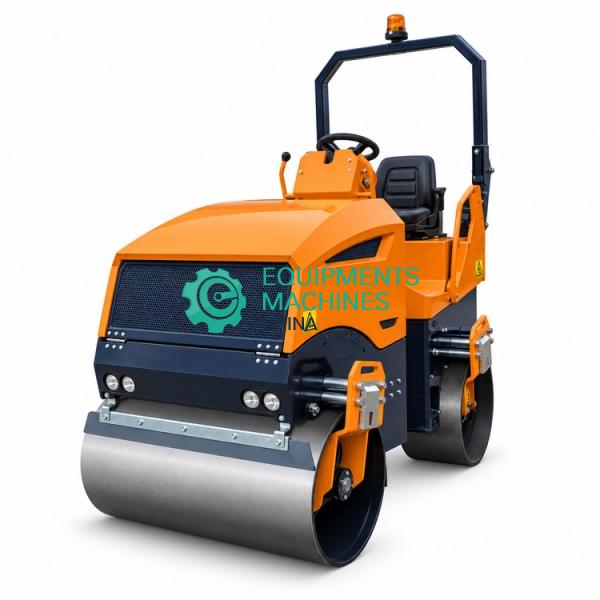
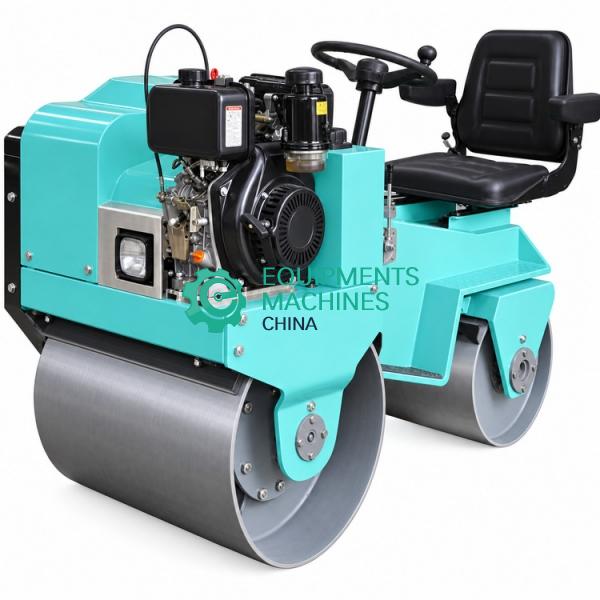
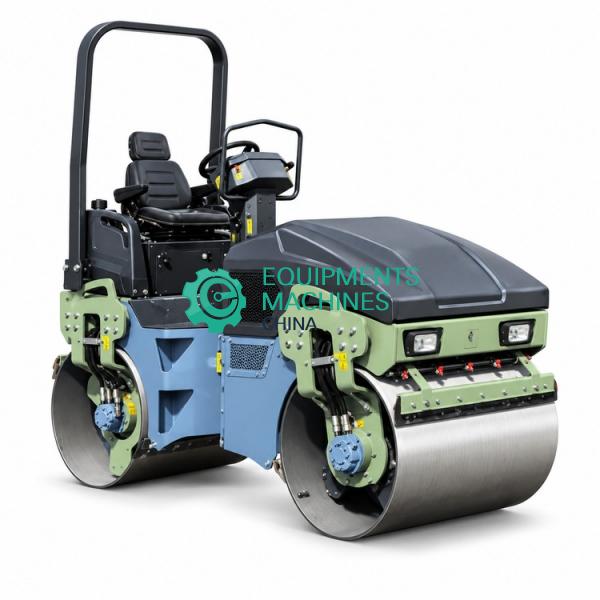
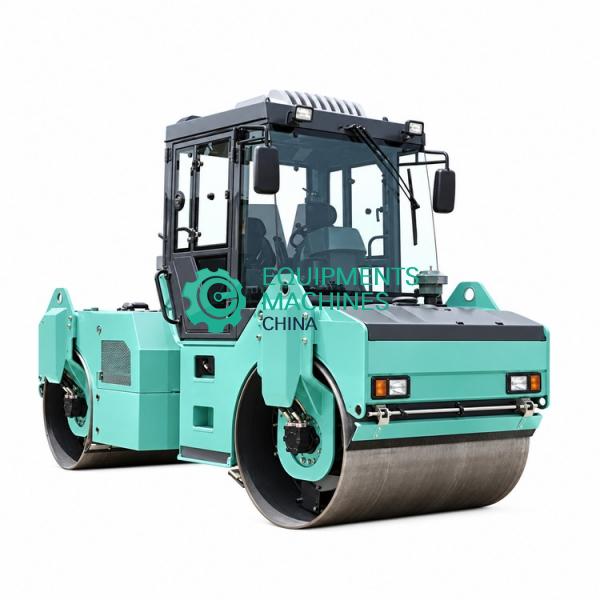
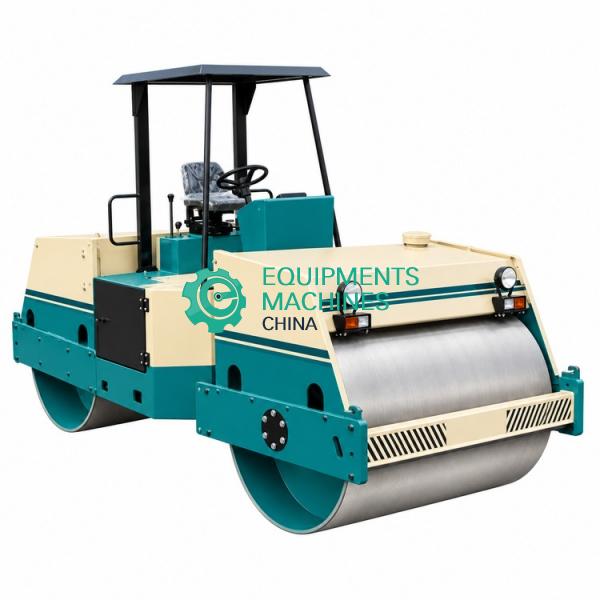
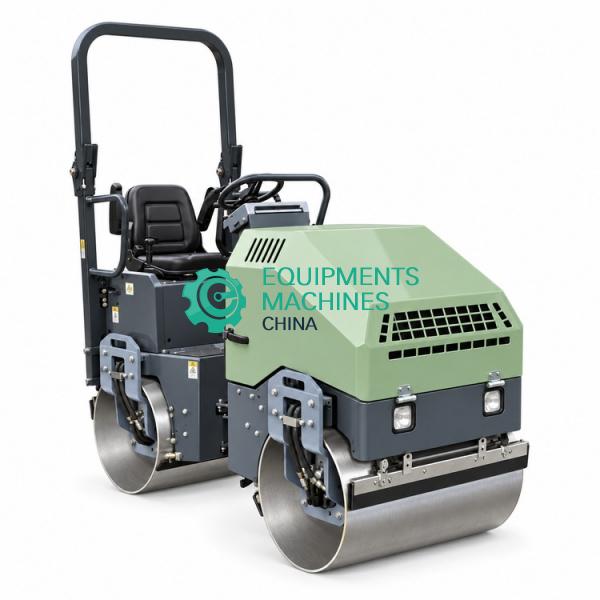
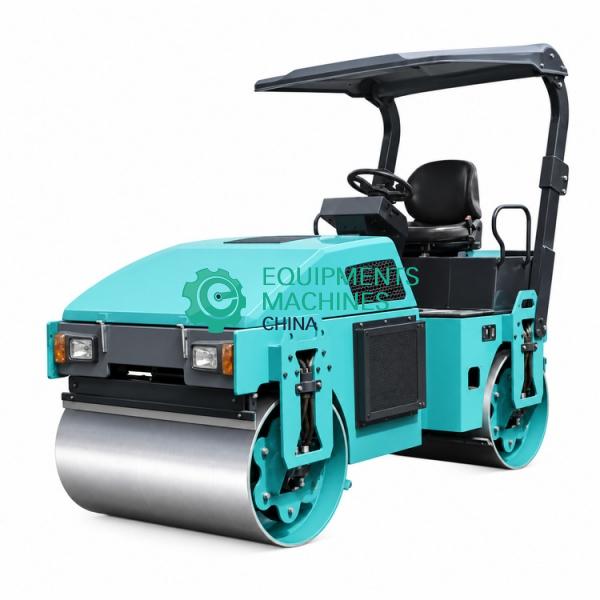
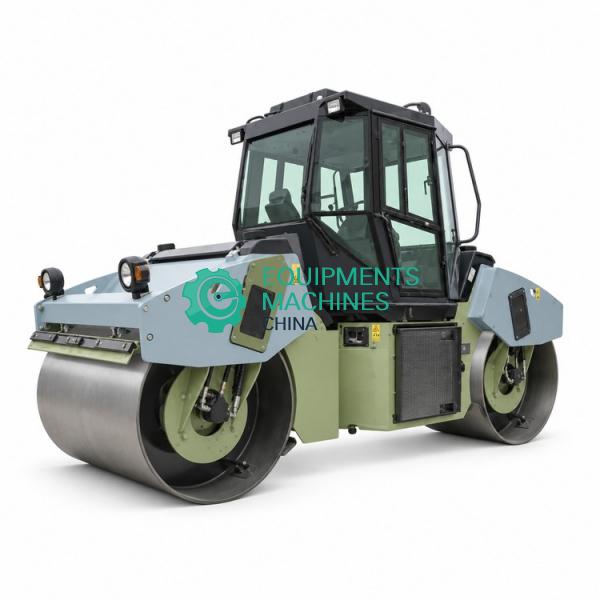
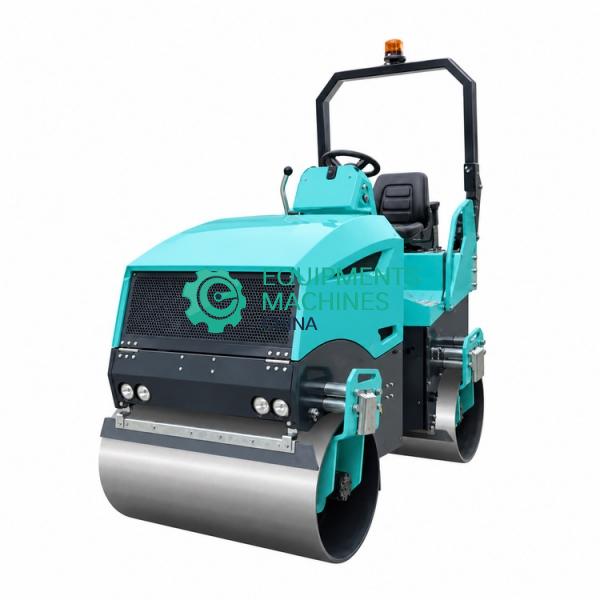
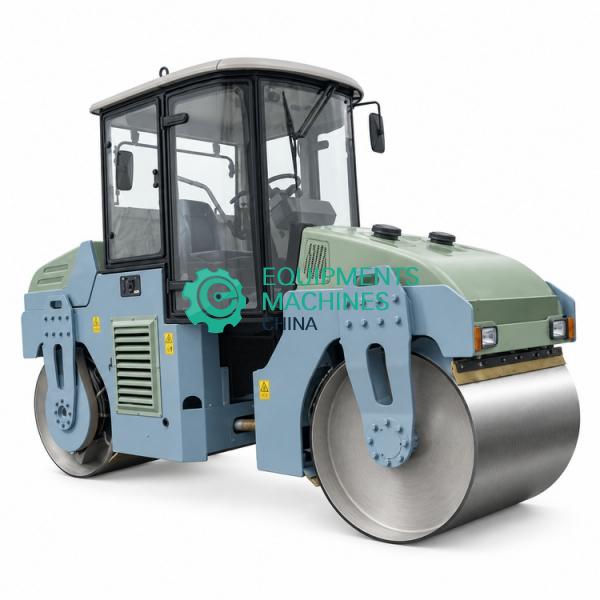
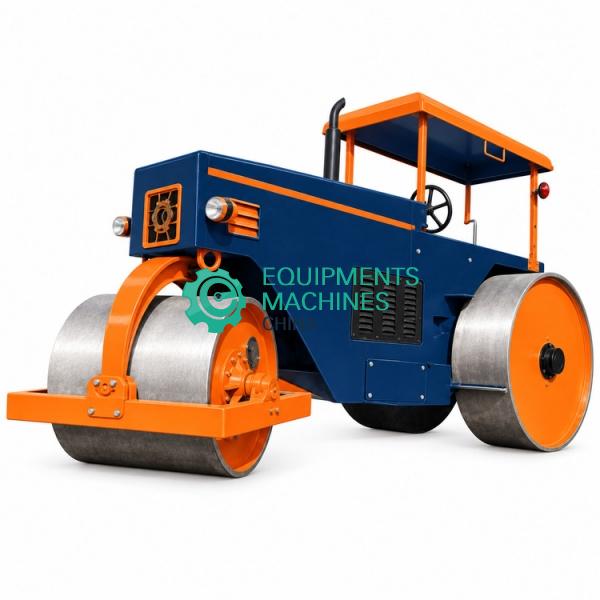
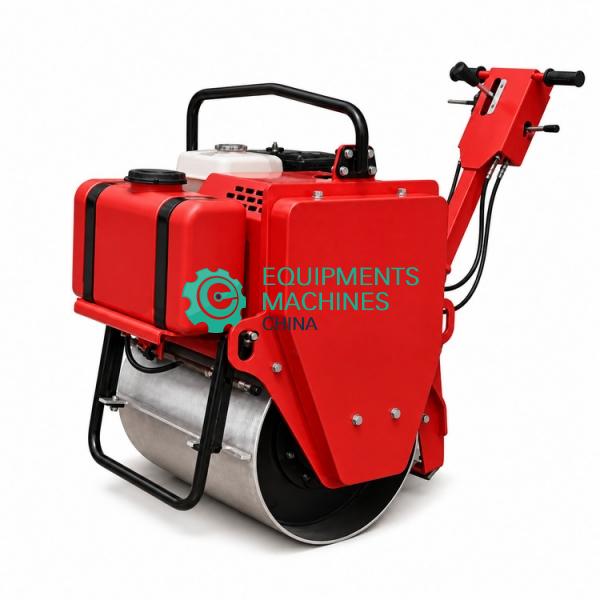
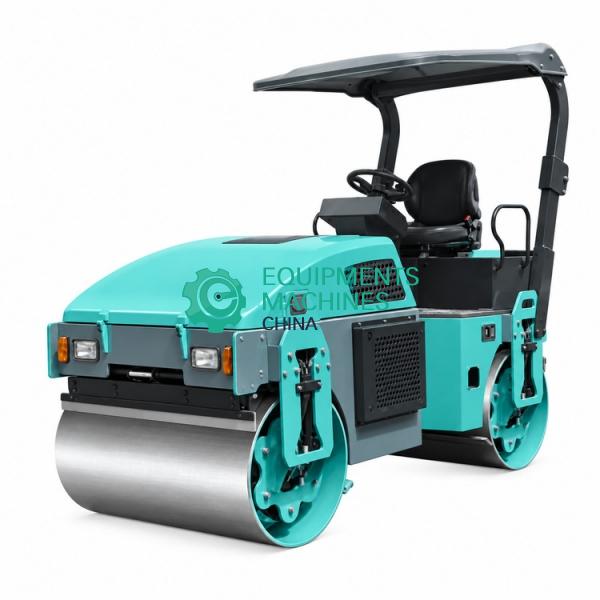
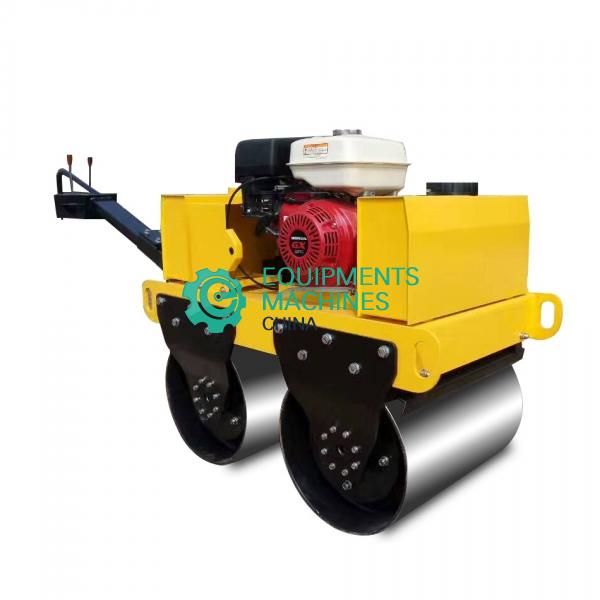
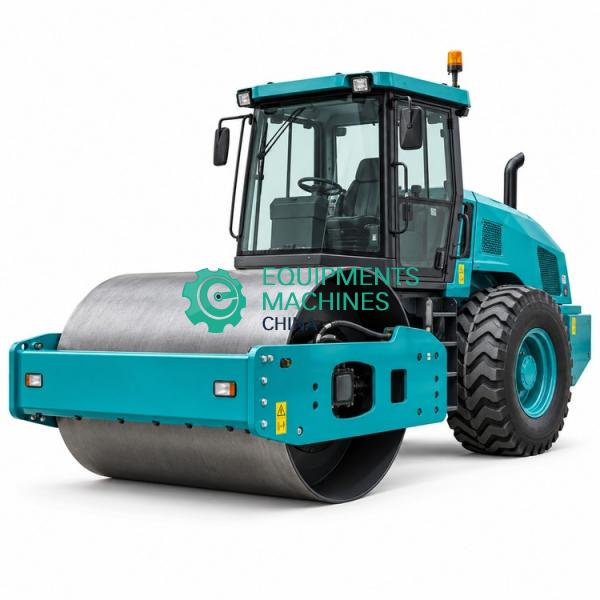
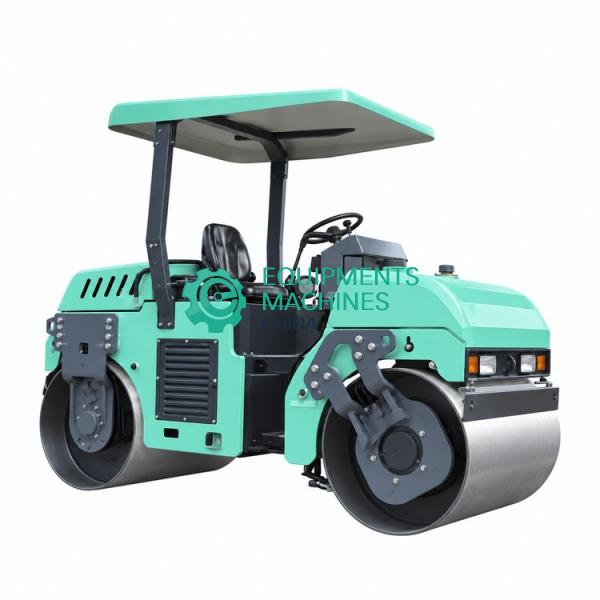
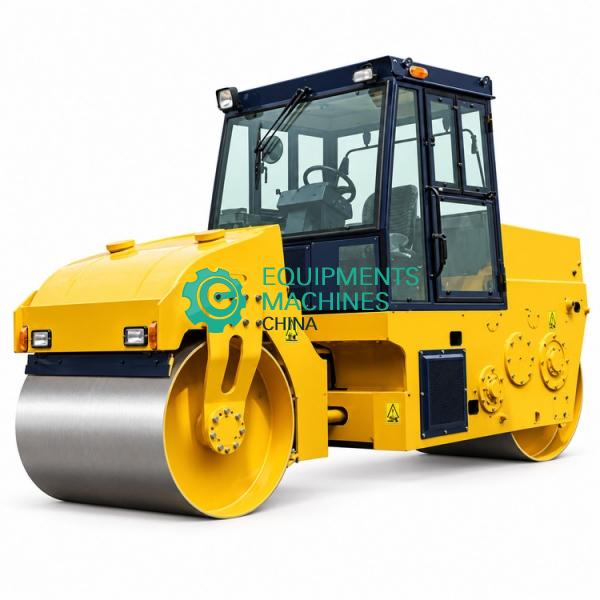
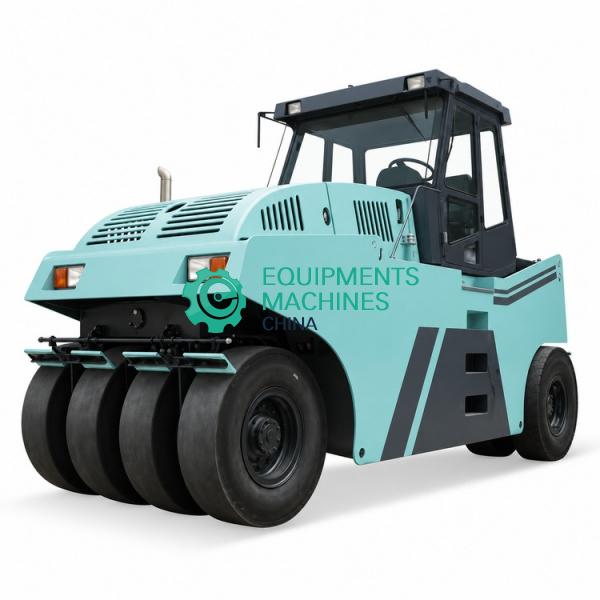
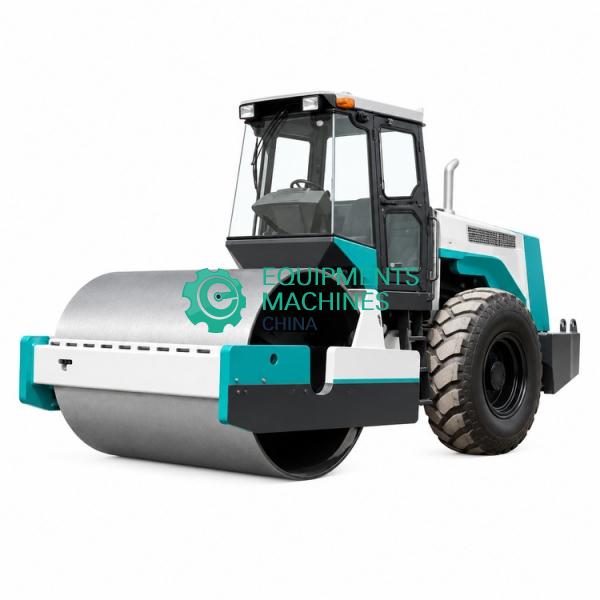
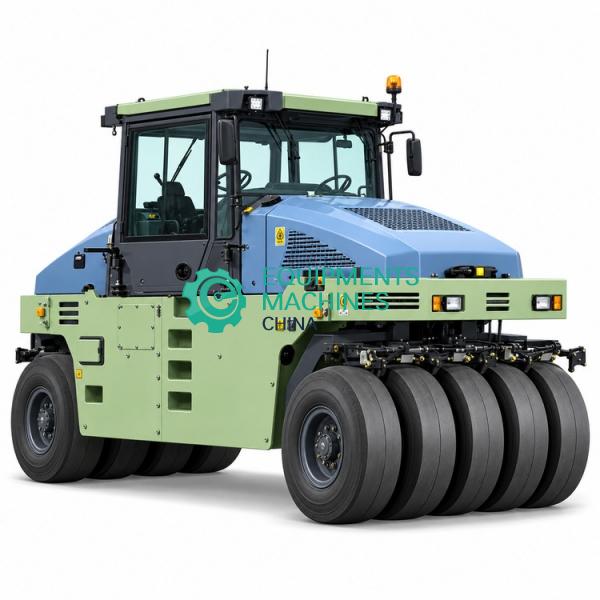
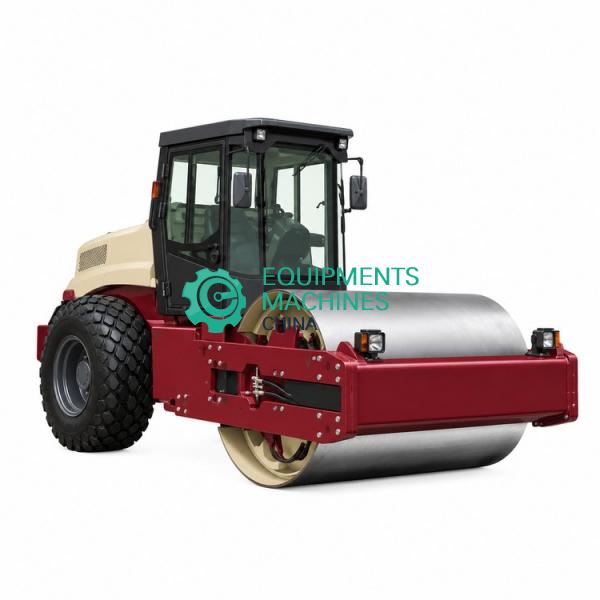
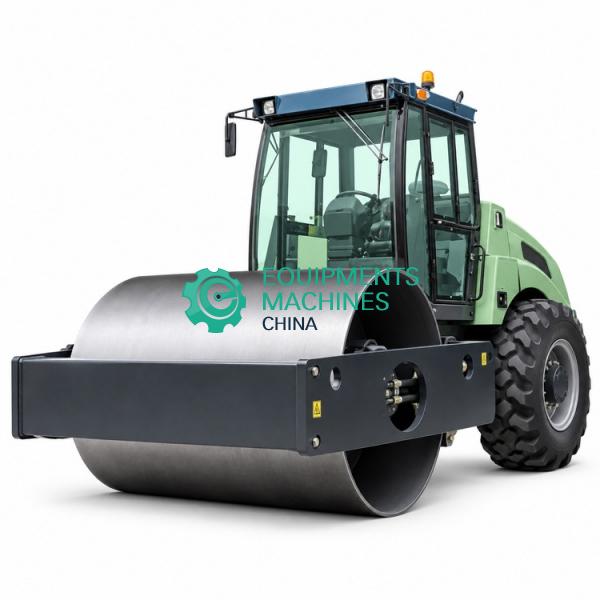
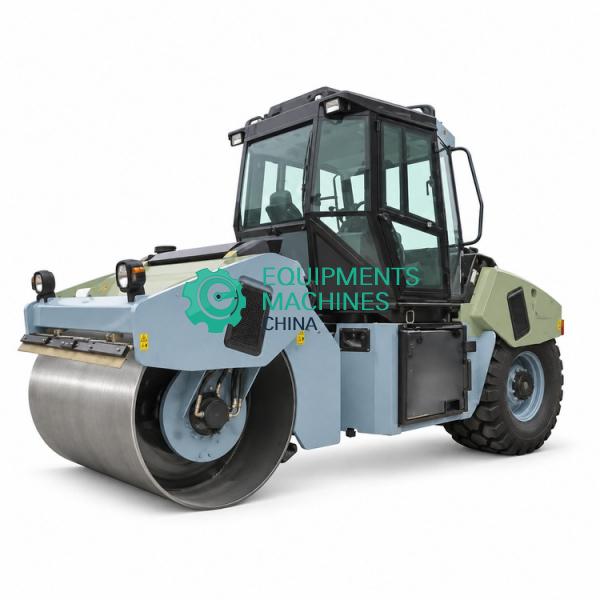
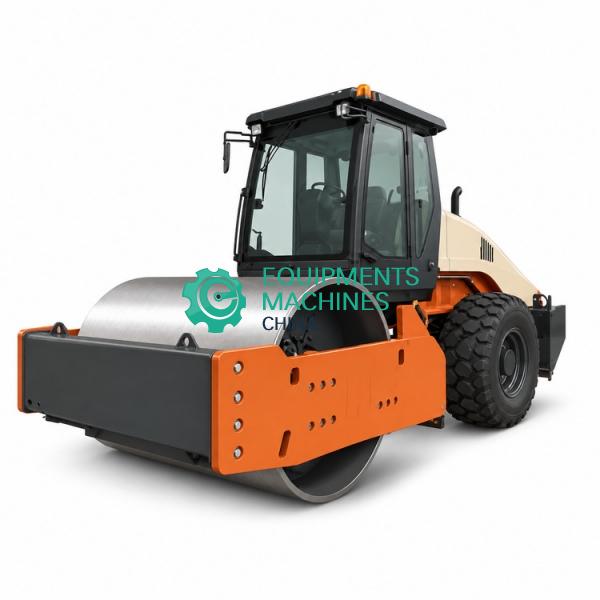
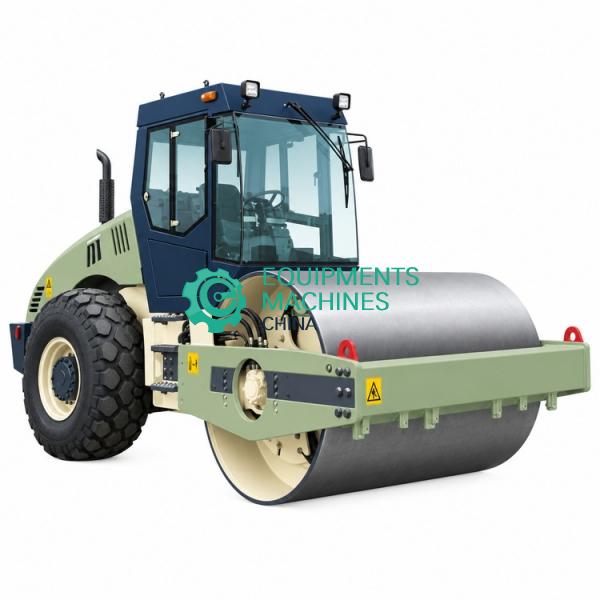
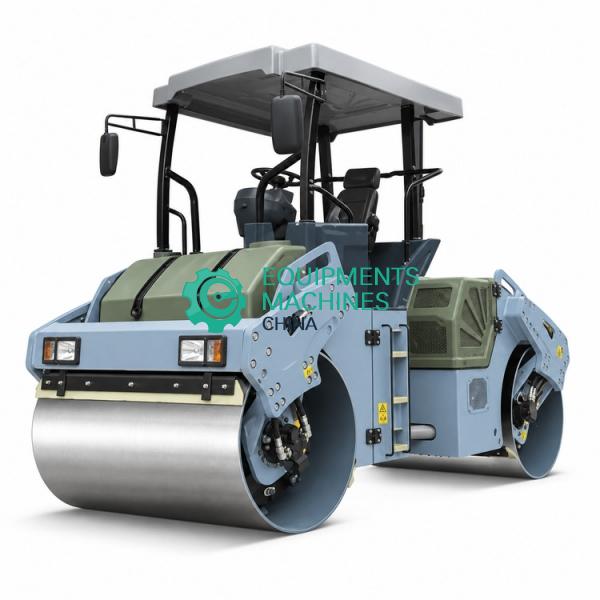
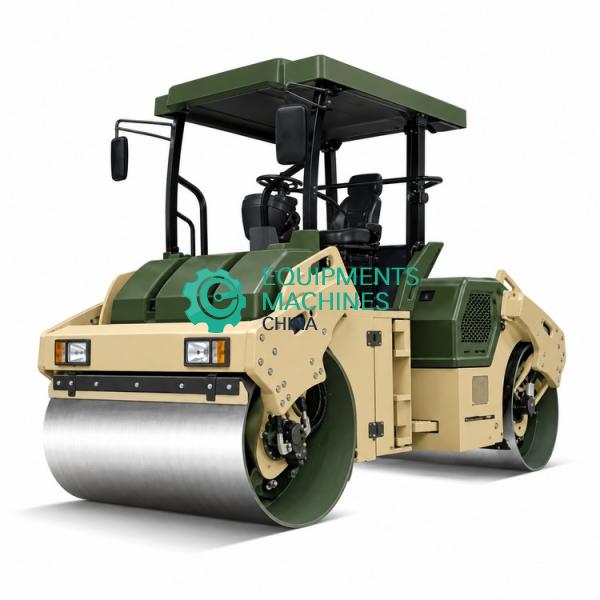
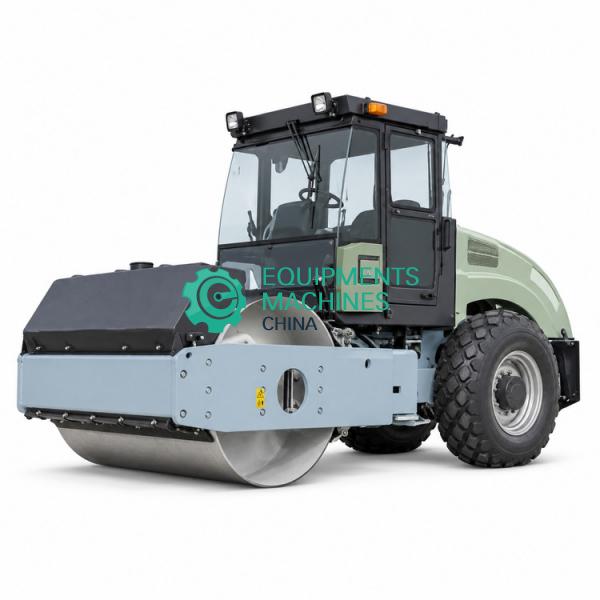
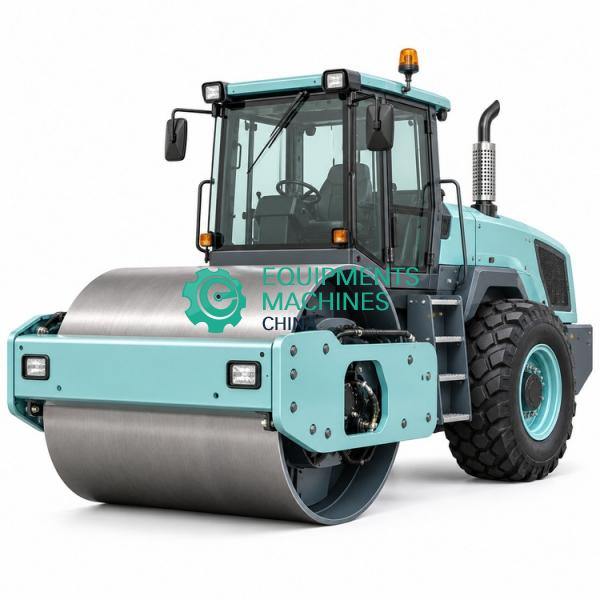
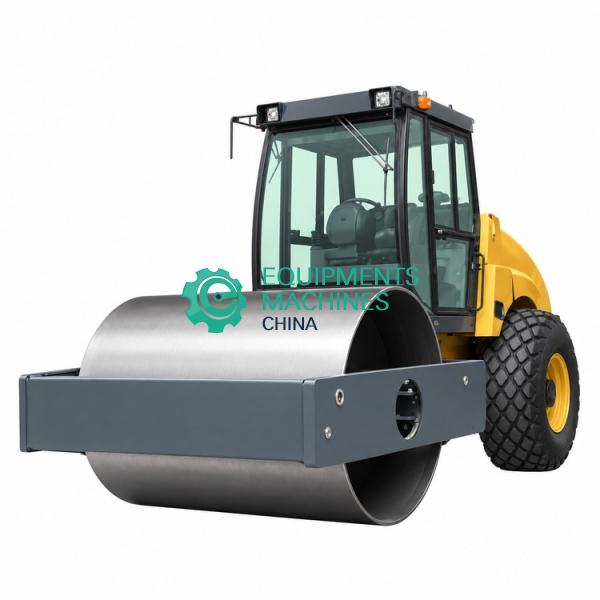
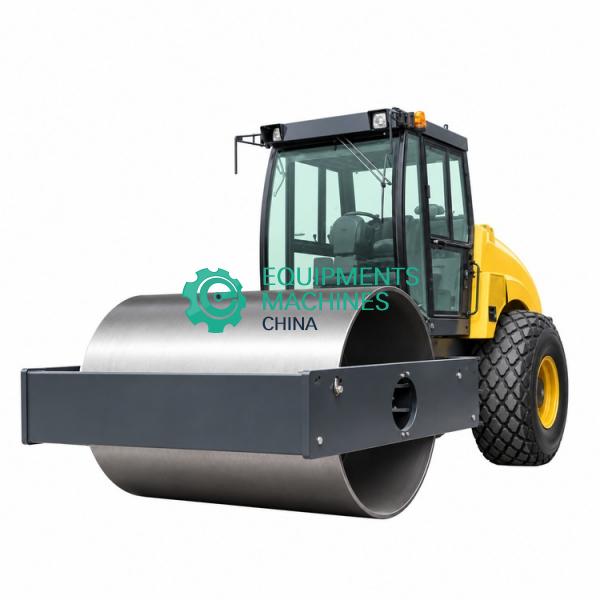
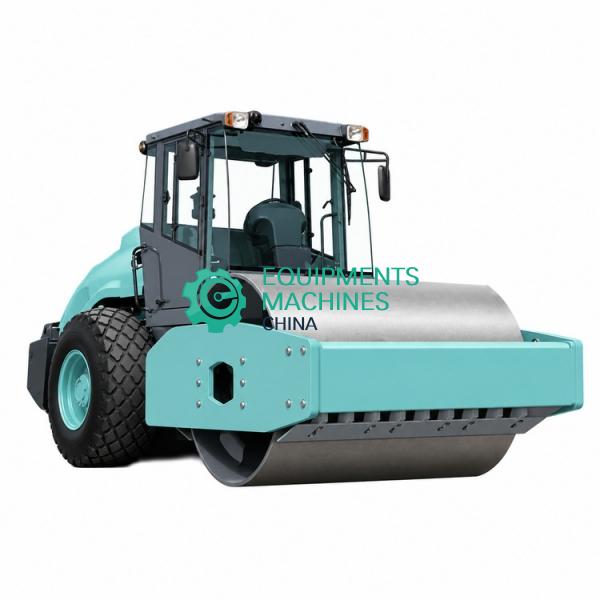
Road Roller covers compaction equipment across types and sizes: single and double drum vibratory rollers, pneumatic tyred rollers, static three-wheel rollers, and hydraulic pedestrian walk-behind vibratory rollers for trenches, footpaths, patch repairs and work around obstructions. Compaction is specified by the lift thickness and material to be compacted, not by machine weight alone, because a roller passed over too thick a lift produces a surface that looks compacted and is not.
That distinction matters because inadequate compaction shows up later as settlement, cracking and premature failure, long after the machine has left the site. Vibratory force and frequency, drum width and the number of passes together determine what the machine can genuinely achieve. Pedestrian rollers exist for the places a ride-on cannot reach, and hydrostatic drive gives better control on slopes and in confined spaces.
Rollers are tendered by roads and highways authorities, public works and transport ministries, municipal corporations, rural road and feeder road programmes, water and sewerage authorities for trench reinstatement, airport and port authorities, and road projects under development bank financing. We bid against the written specification and attach technical compliance tables, compaction performance and vibratory force figures, make and origin declarations, warranty and service terms, priced spares lists, operator training and inspection arrangements.
Tell us your material, lift thickness and working width, and we will specify the roller and quote it.

-lab-86492217.jpg)