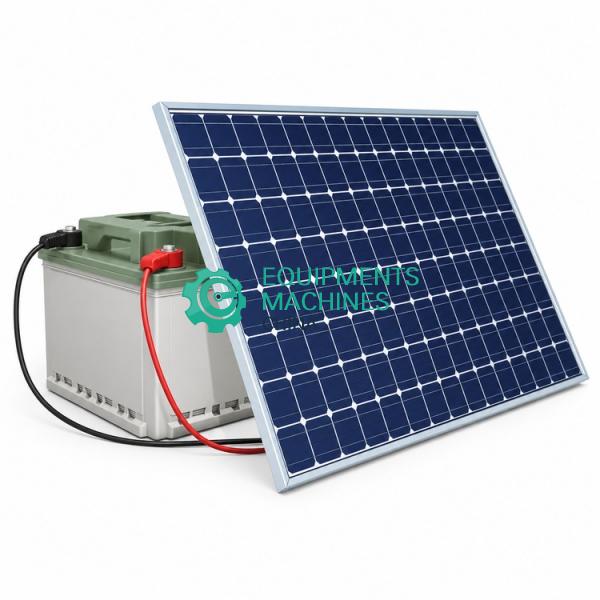
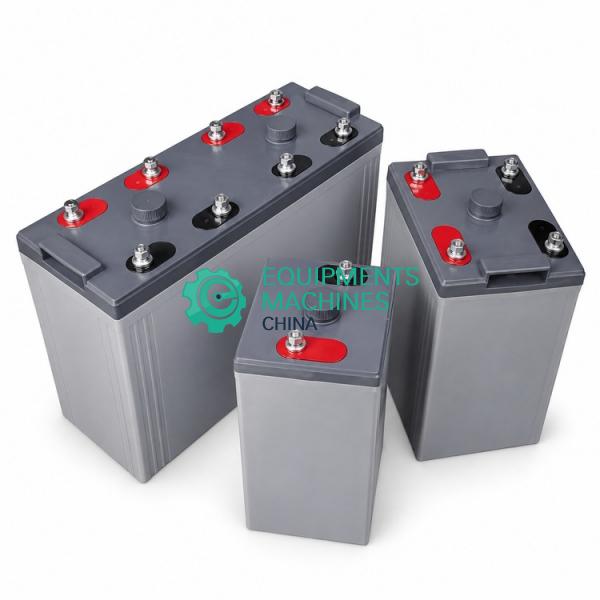
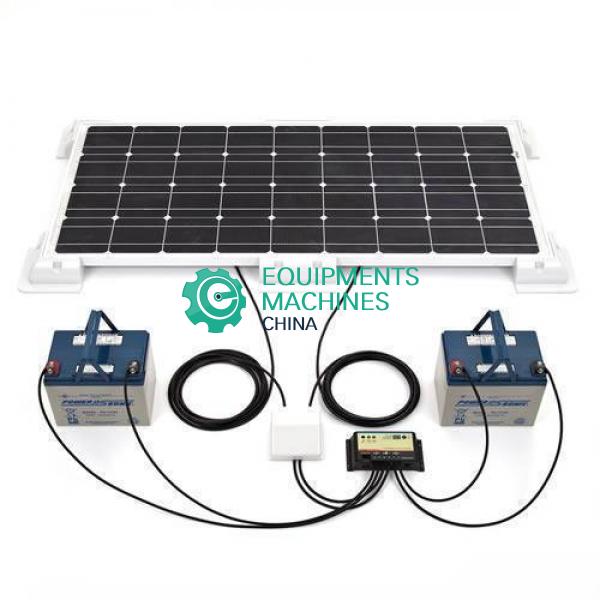
Solar Batteries covers energy storage for solar installations: deep cycle lead acid in flooded, AGM and gel forms, lithium iron phosphate banks, battery racks and enclosures, and the battery management and monitoring that goes with lithium systems.
Battery capacity is what governs how a solar installation performs at night, and chemistry is where the real decision lies. Lead acid is cheaper to buy and must not be deeply discharged, so usable capacity is roughly half of nameplate and cycle life falls sharply if that is ignored. Lithium costs more initially, tolerates much deeper cycling, lasts considerably longer and usually works out cheaper per usable kilowatt-hour over the installation's life. Ambient temperature affects both, and a battery room in a hot climate needs ventilation designed in.
Batteries are tendered in bulk by rural electrification agencies, energy ministries, telecom and broadcasting authorities, education and health ministries, water and rural supply departments, municipal corporations, defence and police installations, railways and signalling authorities, and renewable energy and rural access projects financed by development banks and climate funds. We cost the quantity against the specification as issued and enclose capacity, depth of discharge and cycle life data, chemistry and safety documentation, make and origin declarations, warranty terms, ventilation and installation requirements, disposal guidance and pre-shipment inspection.
Send us your daily energy use, required days of autonomy and ambient temperature range, and we will size the bank and quote it.