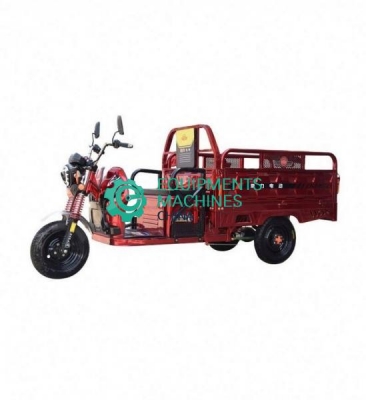
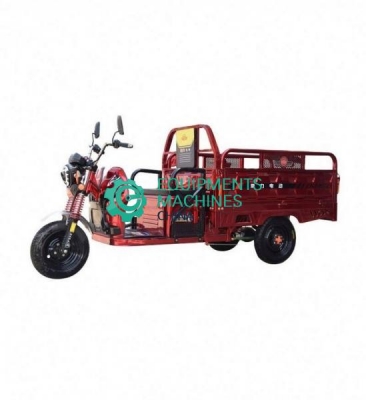
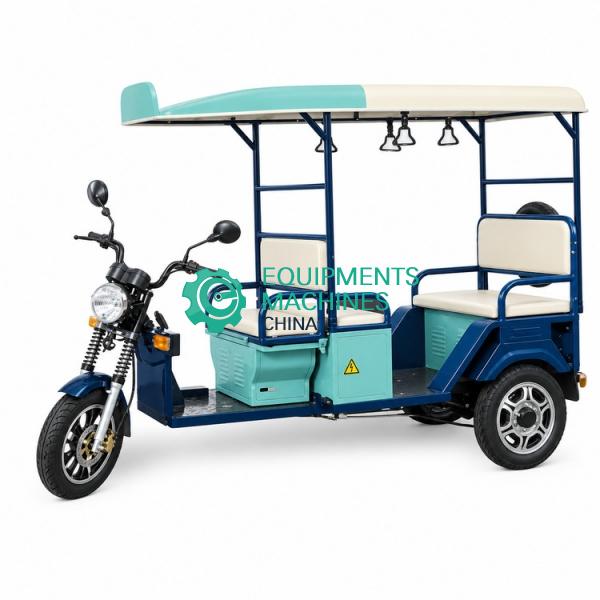
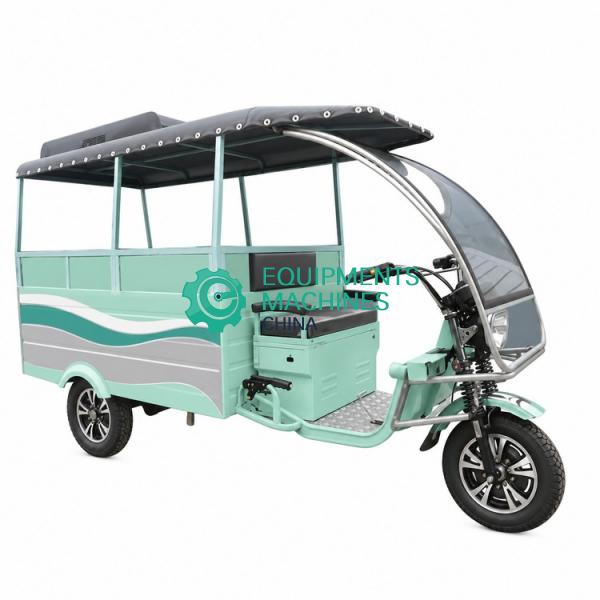
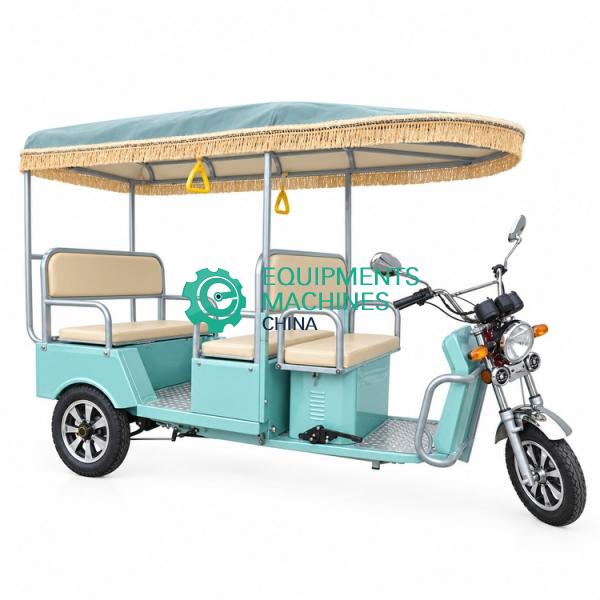
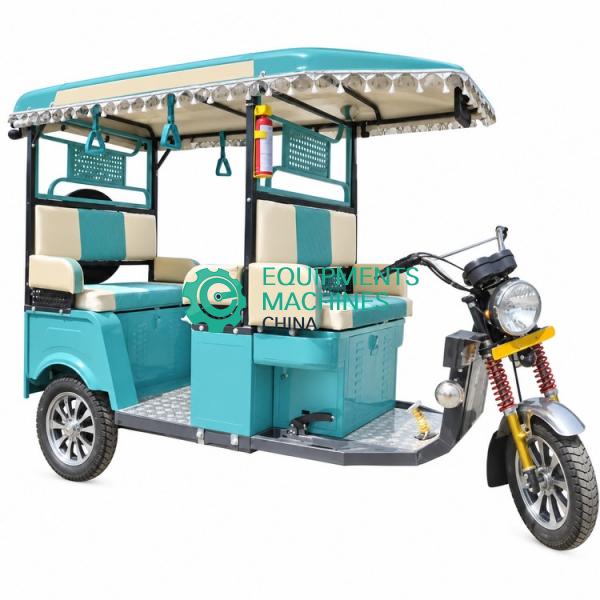
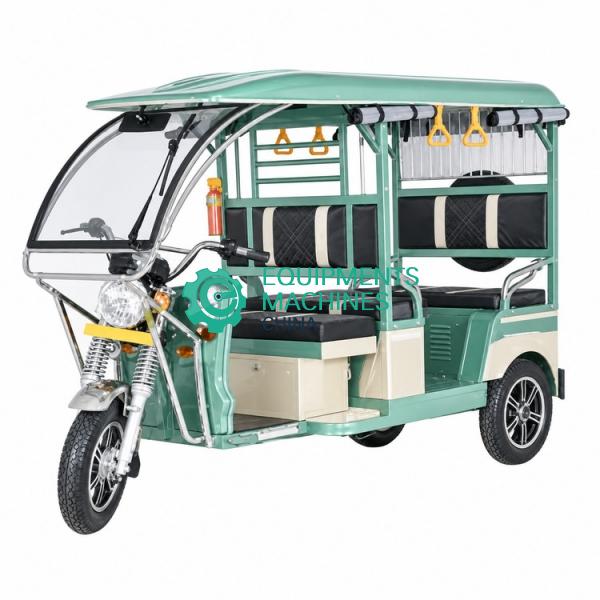
Battery Operated Vehicles covers battery-electric utility vehicles for short-distance municipal and commercial work: electric three-wheelers and cargo tricycles with load beds, tipping garbage e-loaders for narrow-lane waste collection, electric passenger and shuttle vehicles, and electric utility platforms for campuses and estates.
The case for battery-electric is strongest in exactly the duty cycle municipal and last-mile work creates: short daily distances, frequent stops, low speeds and a return to the same depot every night for charging. That is where a battery performs well and a combustion engine performs badly, and where running cost per kilometre is a fraction of a petrol three-wheeler with no engine to service. Battery capacity should be specified against a full round with a margin for the hills on the route, not against an average day.
Electric utility vehicles are procured almost entirely through tendering and are frequently supported by clean transport funding. Municipal corporations and urban local bodies, solid waste management authorities, smart city and urban mobility programmes, universities and campus estates, port and airport authorities, postal and logistics services, tourism development corporations, and clean transport and urban services projects financed through development bank programmes all buy through bidding. Quantity pricing is quoted against the specification and supported by range, payload and gradeability data, battery chemistry, capacity and cycle life, charging requirements, make and origin declarations, warranty terms including battery warranty, priced spares lists and pre-shipment inspection.
Send us your daily route distance, payload, gradient and fleet quantity, and we will specify the vehicles and quote them.